Chicago, IL 60601
FREE CONSULTATIONS 312-462-4200
TOLL FREE 833-462-4200

Possible Legal Actions for Delayed C-Section and Fetal Distress
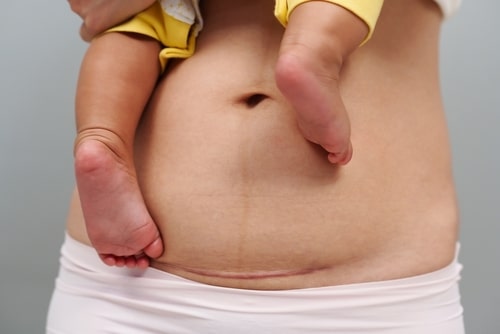 Fetal distress and delayed cesarean sections are serious issues that can lead to devastating consequences. When medical professionals do not recognize signs of fetal distress or do not perform a timely C-section, it may be considered medical malpractice.
If you or your child is suffering in 2026 because of a delayed C-section, understanding your legal rights is important. Our Chicago, IL birth injury attorneys will listen to your story. We know that nothing can undo the harm a careless doctor causes, but we can help you get as much compensation as possible to make the future a bit easier for your family.
When is a C-Section Necessary?
A cesarean section is a surgical procedure during which an infant is born through a cut in the mother’s lower abdomen. Just under one-third of U.S. babies are delivered by C-section, according to the American Medical Association. While many mothers plan for vaginal births, unexpected complications sometimes make a C-section the safer choice.
A C-section can become necessary when labor or delivery are too dangerous. Doctors are trained to recognize signs of fetal or maternal distress. Common situations that trigger the need for a C-section include:
-
The baby is breech, meaning positioned bottom or feet first, or otherwise in a poor position for delivery
-
The baby is struggling to move through the birth canal, making vaginal delivery dangerous
-
The mother has an underlying health condition that makes vaginal delivery unsafe
-
The baby's heart rate is unstable or dropping, indicating fetal distress
-
The baby's head cannot fit through the mother's pelvis
-
There is a prolapsed umbilical cord, when the cord drops through the cervix and cuts off oxygen to the baby
-
Placental abruption, where the placenta separates from the uterine wall during labor
-
Placenta previa, where the placenta covers all or part of the cervix
-
Multiple births or previous C-sections that increase risks
Although many of these conditions are recognizable before birth, a skilled obstetrician must make judgment calls about when C-section deliveries are necessary during labor. Making mistakes or not starting a C-section soon enough can have serious consequences.
What Are the Dangers of Delaying a C-Section?
If an emergency C-section is necessary but a doctor does not do the surgery, the baby can suffer significant complications. If fetal heart rate monitoring reveals distress and doctors don’t act quickly, this could lead to oxygen deprivation or even death.
For the Baby
Hypoxic-ischemic encephalopathy, or HIE, is a condition where lack of oxygen causes brain cells to release toxins that damage brain tissue. This may lead to intellectual disabilities, cerebral palsy, and seizures.
Periventricular leukomalacia, or PVL, refers to the death of white matter in the brain due to reduced blood flow. This condition may cause delayed cognitive development, motor disorders, coordination problems, and vision and hearing impairments.
Other serious birth injuries that can result from delayed or failed C-sections include:
-
Brain damage
-
Shoulder dystocia
Babies delivered too early via C-section can also face complications similar to premature infants, including low birth weight and problems with the respiratory, circulatory, and immune systems.
For the Mother
Waiting too long to order an emergency C-section can result in increased risk of uterine rupture, especially for mothers who have had prior C-sections. This can potentially lead to infection, hemorrhage, organ damage, shock, or death. The mother may also sustain excessive blood loss or develop serious infections.
The attending obstetrician must carefully monitor a mother in labor so that an emergency C-section can be ordered if needed. Failure to do so could leave medical staff liable for any injuries sustained.
Proving Medical Malpractice in Delayed C-Section Cases
To establish a medical malpractice claim for a delayed C-section in Illinois, you must demonstrate that:
-
A doctor-patient relationship existed
-
The healthcare provider breached the standard of care
-
The breach caused injury to the baby or mother
-
The injury resulted in damages
The standard of care refers to the level of care that another competent doctor would provide under similar circumstances. If your doctor failed to perform a C-section promptly, he or she might have breached the standard of care.
Before you can file a medical malpractice lawsuit in Illinois, you must also get a signed affidavit from a doctor or other healthcare provider. This doctor must review your case and confirm that there is a good reason to believe medical malpractice happened to you or your baby.
The medical professional who provides this affidavit must have knowledge and experience in the same area of medicine as the doctor you are suing. For example, if your case involves a delayed C-section, the affidavit would typically come from another obstetrician. Without this affidavit, the court will not allow your case to move forward.
Evidence to Support a Claim of Medical Malpractice in Delayed C-Section Cases
To build a strong case, you’ll need evidence proving the link between the delayed C-section and the injuries to the mother or the child. This may include:
-
Medical records, such as fetal heart rate monitoring strips
-
Witness statements from medical staff or family members
-
Expert testimony from obstetricians
-
Documentation of the child's ongoing medical needs and expenses.
In Illinois, you generally have two years from the date of the injury to file a medical malpractice lawsuit under (735 ILCS 5/13-212). For babies who are injured during birth, the claim must generally be filed by the time the child is eight years old.
Having experienced legal representation can make a major difference. A knowledgeable attorney can search for supporting evidence, work with medical experts, and build a strong claim on your behalf.
Contact a Cook County, IL Birth Injury Attorney
If your family has been impacted by a delayed C-section, we are here to help. Our Chicago birth injury lawyers at Birth Injury Law Alliance, Ltd. have extensive experience with these complex cases.
We serve clients throughout Illinois including Cook County, DuPage County, Will County, Kane County, and other surrounding counties. Call Birth Injury Law Alliance, Ltd. at 312-462-4200 for a free consultation.

312-462-4200
60 W Randolph Street, Suite 400,
Chicago, IL 60601


Contact Our Firm
 The use of the Internet or this form for communication with the firm or any individual member of the firm does not establish an attorney-client relationship. Confidential or time-sensitive information should not be sent through this form.
I have read and understand the Disclaimer and Privacy Policy.